How Access Control Systems Improve Business Security: A Complete Guide
By Leo Alampi, Owner, Perth Security Systems
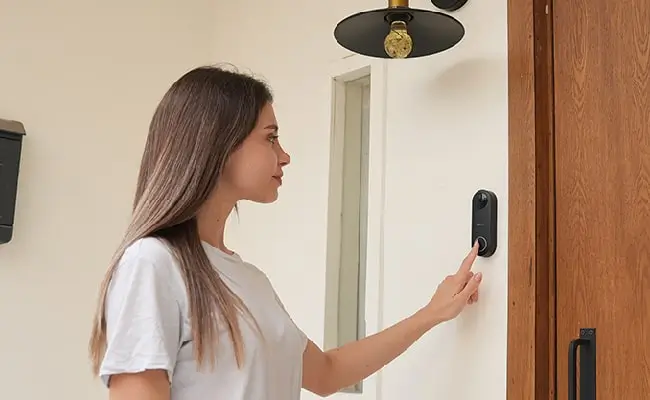
Imagine arriving at your office one morning to discover that an unauthorised person has accessed sensitive areas overnight - confidential data exposed, hardware missing, customer records compromised. The fallout is financial, reputational and sometimes legal. This guide explains how a modern access control system prevents that scenario and quietly improves day-to-day operations along the way.
Why Traditional Keys Aren't Enough
Mechanical keys are easy to lose, easy to copy and impossible to audit. Once a key leaves your premises you have no idea where it ends up - and re-keying a building is expensive. Access control replaces keys with credentials you can issue, revoke and track in seconds.
Physical vs Logical Access Control

Physical access control governs doors, gates, turnstiles and lifts. Logical access control governs digital systems - networks, applications, data. A mature business treats them as two halves of the same strategy.
Common Access Models: RBAC, ABAC, DAC, MAC
- Role-Based (RBAC): access tied to job roles - the most common model for businesses.
- Attribute-Based (ABAC): access decisions based on attributes like time of day, location or device.
- Discretionary (DAC): resource owners decide who else can access their resources.
- Mandatory (MAC): strict, policy-driven model often used in high-security or government environments.
How An Install Actually Happens
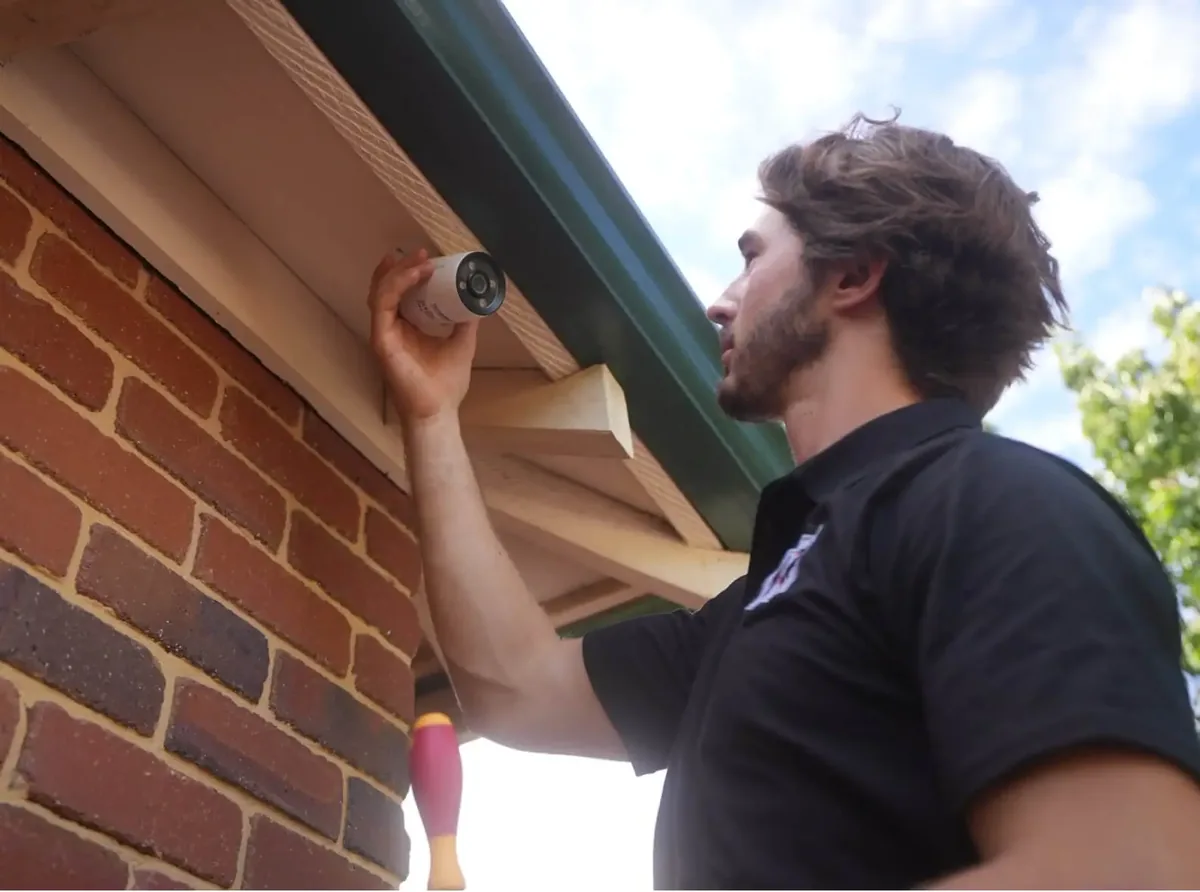
- Site walk-through and risk assessment
- Choose credentials - PIN, card, fob, mobile, biometric
- Specify door hardware: electric strikes, mag-locks, gate controllers
- Run cabling and install the controller
- Enrol users, set schedules and integrate with CCTV
- Train your team and hand over the cloud dashboard
Cost & ROI Considerations
Pricing varies with the number of doors, the credential type and the level of integration. Most Perth businesses recoup the investment quickly through reduced re-keying costs, fewer security incidents and tighter time-and-attendance tracking.
Where Access Control Is Heading
Cloud-managed systems and biometric credentials are now standard on new installs. They remove the need for on-site servers and make multi-site management trivial.
Cloud-managed systems and biometric credentials are now standard on new installs. They remove the need for on-site servers and make multi-site management trivial.
Choosing The Right Credential Type
The credential is the thing your staff carry - or don't - to prove they should be allowed through the door. The right choice depends on your risk profile, staff turnover and how much friction you're willing to add to daily entry.
- PIN pads: cheapest to deploy, but the code inevitably gets shared. Use for low-risk internal doors, and combine with time-based rules so codes only work during business hours.
- RFID cards and fobs: the workhorse of Australian business access control. Cheap to issue, instant to revoke, and easy to audit. Downside is they get lost or lent to a mate.
- Mobile credentials: the credential lives in a Bluetooth or NFC app on the staff member's phone. Cannot be handed to someone else without unlocking the phone, and remote-revoke is one tap. Slightly higher per-user cost.
- Biometrics (fingerprint / face): highest assurance because the credential is the person. Best for high-value areas like server rooms, drug safes, cash rooms and R&D labs. Slower at peak entry times, so we usually pair biometrics with a card fallback.
Integrating Access Control With CCTV And Alarm
A standalone access controller tells you a door opened. A properly integrated system tells you who opened it, plays back the 10 seconds of camera footage around the swipe, and - if the alarm is armed - suppresses the trigger for authorised entries only. The three-way integration between access control, CCTV and the intruder alarm is where the real operational value comes from: instant investigation of every entry event, verified alarm responses, and audit trails that pair credential swipes with video for any dispute.
Compliance And Privacy Considerations For WA Businesses
Access control logs are personal information under the Australian Privacy Principles. Businesses subject to the Privacy Act need a documented retention policy for entry logs and CCTV, staff need to be notified that entries are recorded, and biometric templates should be stored as one-way hashes rather than raw fingerprint images. For premises handling healthcare, legal or financial records the retention and audit requirements are stricter still. We configure the system to your retention policy at handover and can produce compliance-ready audit exports on request.
Common Mistakes We See On Existing Sites
- Shared PINs never rotated. A code issued four staff turnovers ago is still working. Set rotation schedules or move to individual credentials.
- Emergency egress on the wrong side of the door. Australian standards require free egress from inside without a credential - we regularly find sites with request-to-exit buttons wired incorrectly and mag-locks that fail-safe in the wrong direction.
- Ex-staff cards never revoked. No audit means no one notices. Cloud systems solve this - a leaver's credential can be deactivated the moment HR ticks the box.
- No integration with the alarm. Staff arrive early, swipe in, and the alarm goes off because the controller isn't talking to the panel. A five-minute config fix that most sites never make.
Talk To A Perth Specialist
If you'd like an obligation-free site assessment from a licensed Perth installer, we'll walk the building with you and design an access control system that fits how your business actually runs.